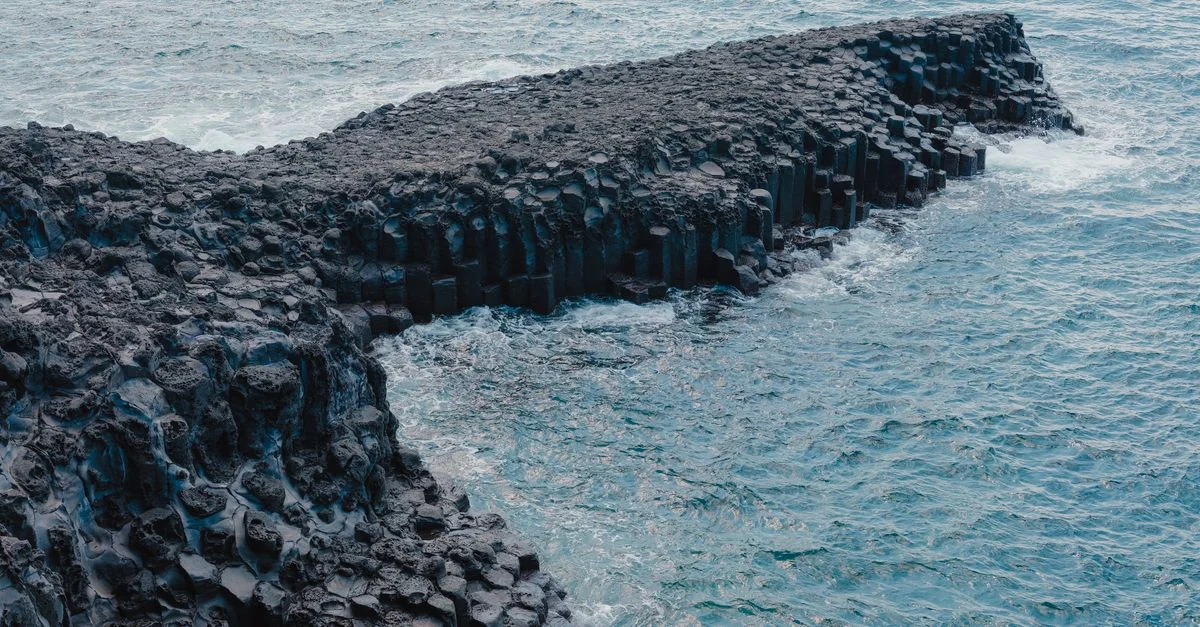
When planning a trip departing from Jeju -do, South Korea , travelers often find themselves staring at maps trying to figure out how to cover the massive volcanic landscape without wasting hours on local bus transfers. After spending years leading groups across South Korea and testing various itineraries firsthand, I have learned that structuring your time across multiple days is the only way to truly understand this island. Jeju covers roughly 1,848 square kilometers, meaning cross-island transit takes deliberate planning, especially if you want to catch sunrise over Seongsan Ilchulbong and sunset along the southern cliffs. Why Book a Multi-Day Tour From Jeju-do # Operating as your own navigator on Jeju can drain your energy fast. Public transit works well for simple routes between Jeju City and Seogwipo, but reaching remote UNESCO craters and coastal viewpoints requires multiple transfers. Group excursions solve this friction entirely. Instead of stressing over left-hand turns, narrow country lanes, or complex parking lots at major geological sites, you sit back while a local driver handles the logistics.
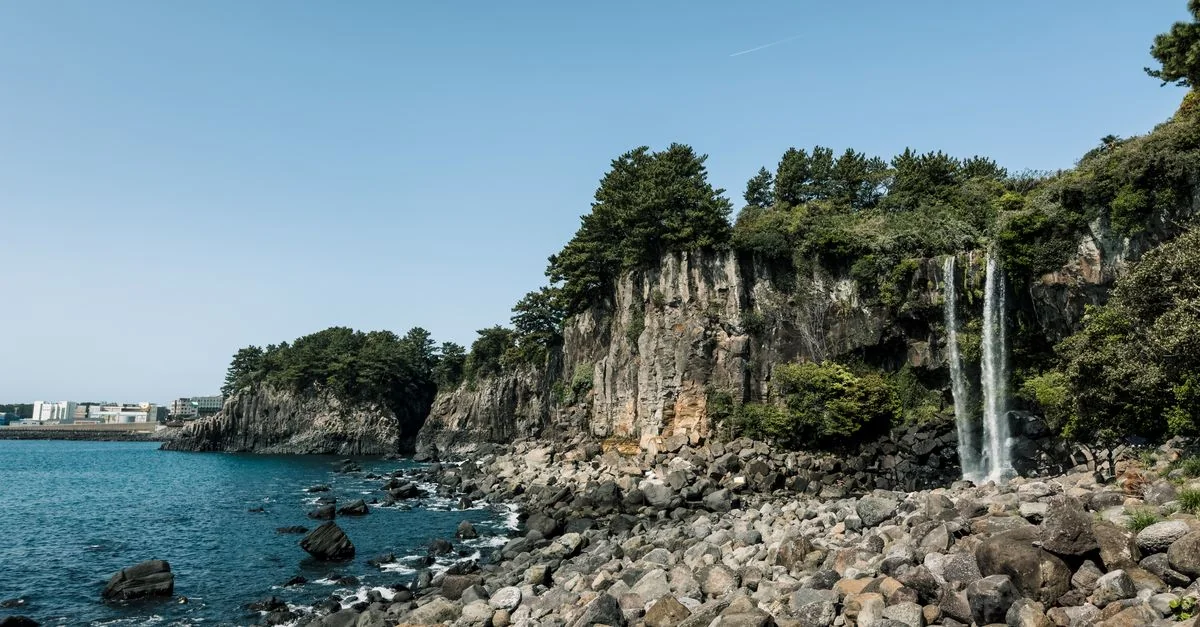
When planning a multi-day journey originating from Jeju , South Korea , travelers face unique logistical choices. Navigating the island’s volcanic terrain, coastal roads, and scattered interior attractions usually requires reliable transportation spanning several days rather than a single afternoon. Over the years, I have tested various multi-day formats across South Korea, learning firsthand that having a dedicated vehicle and local driver changes the entire cadence of a trip. Instead of waiting for public buses that run on infrequent schedules or trying to rent a car and decipher local signage, organizing a multi-day itinerary with professional support allows you to cover significant distance across the island efficiently. Why Book a Multi-Day Tour From Jeju # Jeju spans roughly 73 kilometers from east to west and 31 kilometers from north to south, packed with UNESCO natural heritage sites, lava tubes, waterfalls, and wind-swept coastal paths. Covering this territory independently over multiple days often leads to logistical fatigue. Public transit works well for single urban commutes in Seoul or Busan , but on Jeju, bus routes require multiple transfers to reach remote trailheads or volcanic cones. Renting a car independently presents its own hurdles, including international driving permit requirements, unfamiliar parking regulations, and navigation apps that occasionally struggle with Korean-script addresses.